Hands-On Testing
Six Months, Three Strollers: What Actually Held Up
A season of school runs, airport gates, and gravel paths left clear marks on which stroller designs survive daily use.
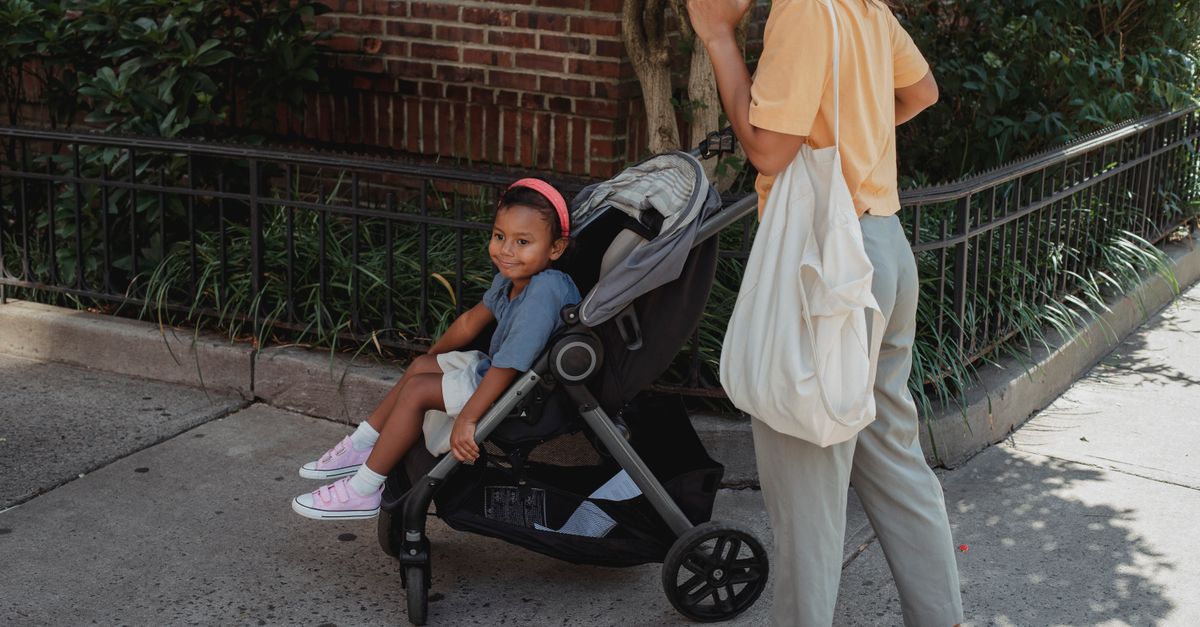
We started this comparison in September with three strollers bought at retail price: a full-size frame stroller, a compact umbrella-fold model, and a jogging-style three-wheeler. Each one rotated through the same household for six months, covering school pickups, grocery runs, two flights, and one very muddy campsite weekend.
The umbrella-fold model lost a wheel bearing by month three. It was the lightest to carry up stairs, and the fold was genuinely one-handed, but the plastic axle housing was not built for daily curb drops. For occasional use — taxis, visits to grandparents — it would have been fine. For daily rotation, it wore out faster than its price suggested it should.
The jogging-style three-wheeler handled gravel and curb cuts the best of the three, and the fabric seat showed the least fading after regular sun exposure. Its drawback was size: it did not fit through several café doorways and needed its own corner of the hallway. Families without a garage or wide entryway should weigh this before buying for looks or trail use alone.
The full-size frame stroller was the heaviest to lift into a trunk but had the smoothest ride over cracked sidewalks and the most durable recline mechanism. The undercarriage basket also held a week of groceries without sagging, which neither of the other two could manage. Fabric at the armrests showed wear first, consistent with where hands grip during loading.
None of the three was objectively 'best' — the right choice tracked closely with how the stroller would actually be used week to week, not with marketed features. If your routine includes stairs and compact cars, light and foldable wins. If it includes uneven terrain and long walks, the frame stroller earns its bulk.